Understand flood zones, Risk Rating 2.0, elevation certificates and your coverage choices before you buy near the water.
Reviewed and updated October 3, 2026 by Ryan and Megan Winslow, Winslow Homes
New Smyrna Beach gives you the ocean on one side and the Indian River Lagoon on the other. That water is the reason you want to live here. It is also the reason flood insurance shapes your monthly cost.
Ryan and Megan Winslow run Winslow Homes from New Smyrna Beach. They are broker owners, REALTORS® since 2009, with more than 3,000 homes sold, and they live the same coastal insurance questions you face. This guide explains how flood insurance works here and what to check before you buy.
FEMA flood maps sort land into zones. Your zone tells your lender whether flood insurance is required, and it shapes your building rules.
In New Smyrna Beach, you find all of these. Oceanfront streets on the beachside, homes along the lagoon and canal lots on the mainland each carry their own risk. Two houses a block apart sometimes sit in different zones.
The maps are changing. FEMA announced proposed Flood Insurance Rate Map updates for Volusia County on August 20, 2026, and residents had 90 days from that announcement to appeal (source, August 2026). If you buy now, look at both the current map and the preliminary map. A home moving into a high risk zone changes your lender's requirements and your premium.
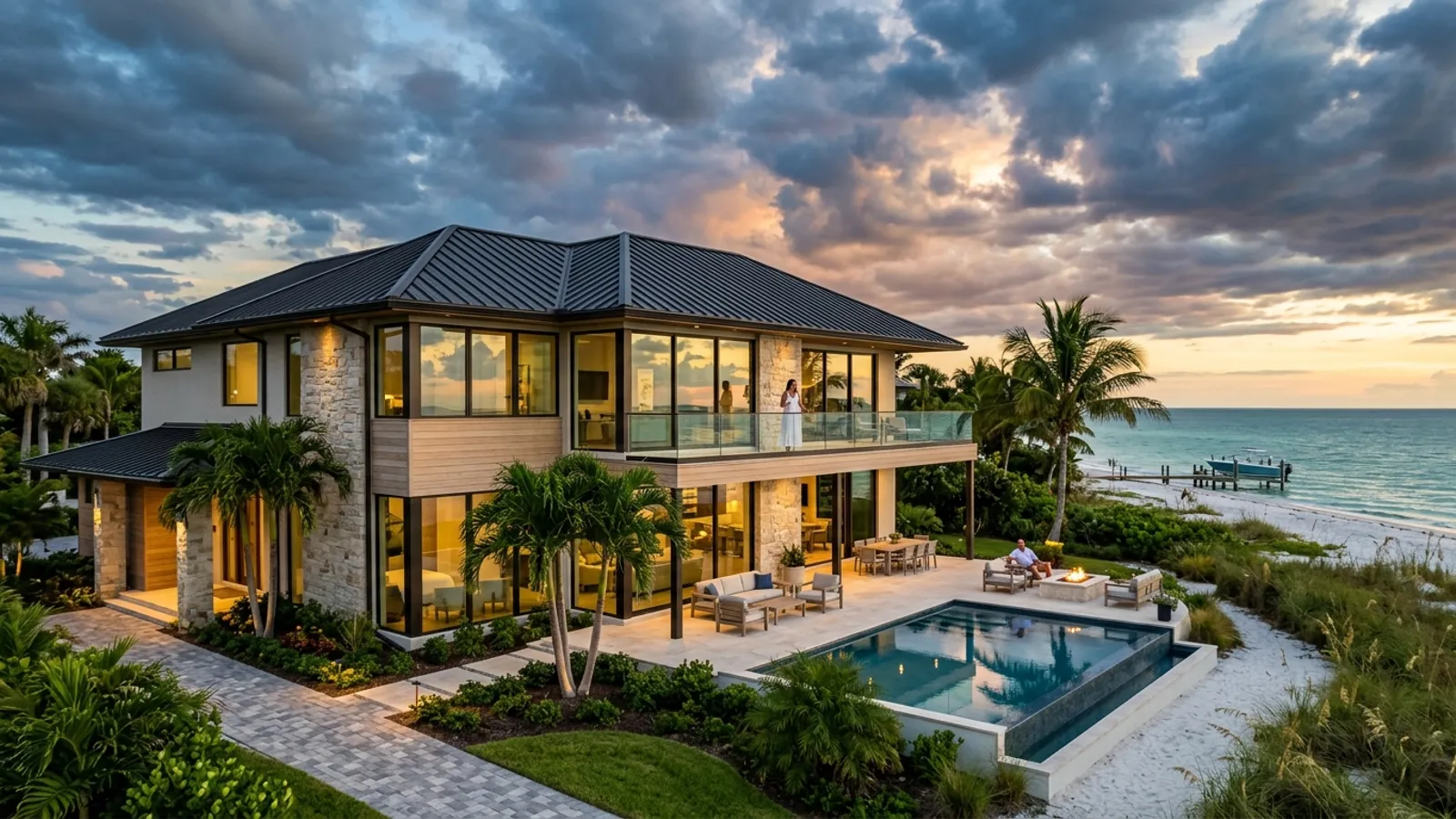
Risk Rating 2.0 is FEMA's pricing system for the National Flood Insurance Program. It took effect for new policies on October 1, 2021, and for existing policies on April 1, 2022 (source, Congressional Research Service report, checked October 2026).
The old system priced mostly by flood zone and elevation. The new system prices each property by its own risk. It uses factors such as distance to water, foundation type and the cost to rebuild the home (source, checked October 2026).
Annual increases have limits. For primary residences, premiums rise no more than 18% per year per policy, and non-primary homes face increases of up to 25% per year until they reach the full risk rate (source, checked October 2026). That matters when you buy. If the seller's policy is still climbing toward its full rate, your future bills climb too.
Coverage limits stayed the same. A National Flood Insurance Program policy on a single-family home covers up to $250,000 for the building and $100,000 for contents (source, checked October 2026).

An elevation certificate is an official record that shows whether new buildings and substantial improvements in high risk flood areas are properly elevated (source, checked October 2026). Communities use it to enforce floodplain rules, and owners use it to obtain flood insurance (source, checked October 2026).
Under Risk Rating 2.0, a certificate is no longer the only path to a quote. It still helps you in three ways:
Ask the seller for an existing certificate early. Check the city or county building records too. If no certificate exists, a licensed surveyor prepares one. On elevated beachside homes, the cost of a survey often pays for itself in your quote.
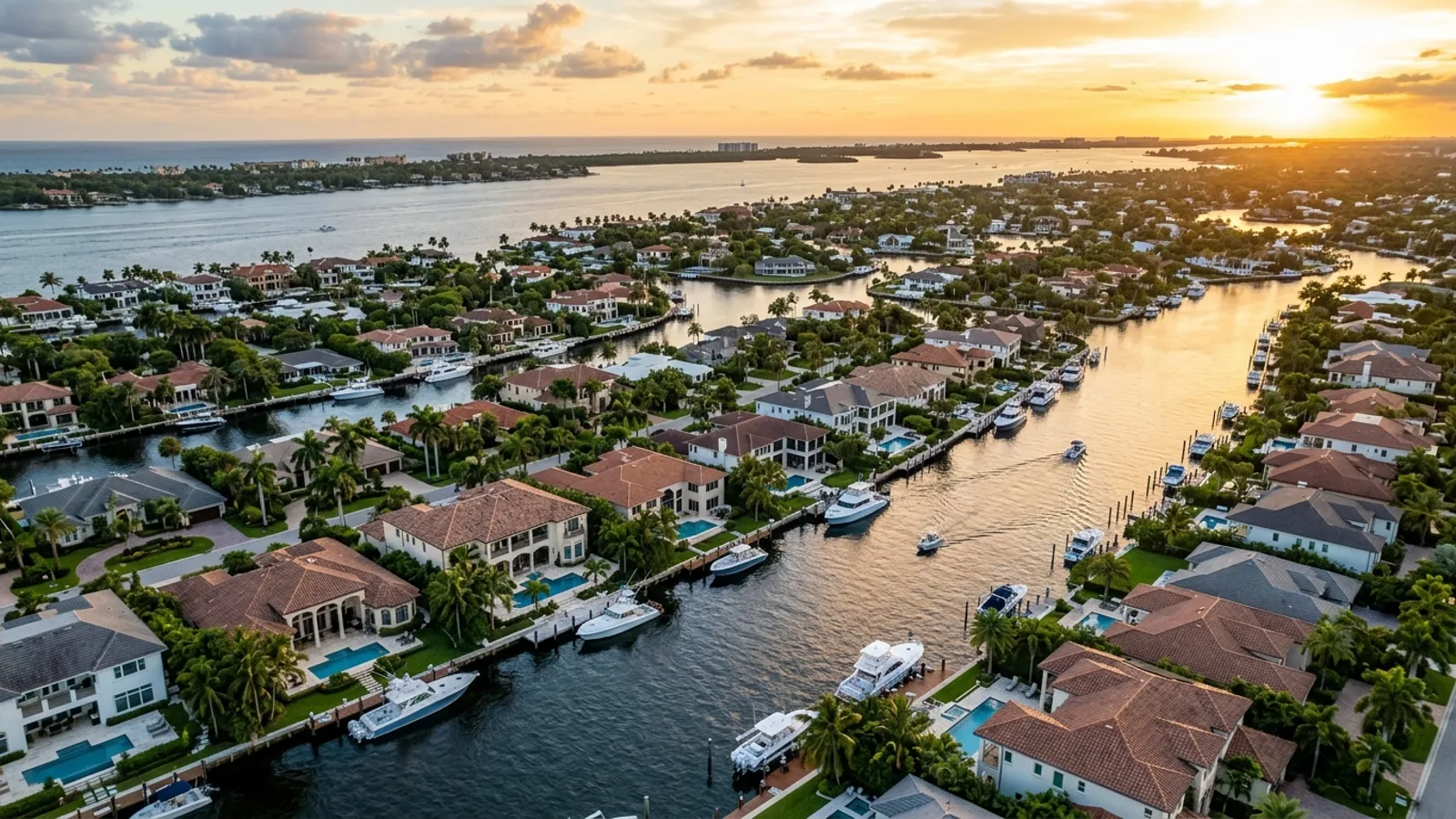
Yes. New Smyrna Beach takes part in FEMA's Community Rating System, which rewards towns for flood planning and outreach. The city holds a Class 5 rating, which gave property owners a 25% discount inside Special Flood Hazard Areas and a 10% discount outside them, as reported in April 2023 (source, April 2023).
Ratings change over time. Confirm the current class with the city or your agent when you shop for coverage.
You have two main sources of flood coverage.
The National Flood Insurance Program is backed by FEMA. Its rates follow Risk Rating 2.0, its increases are capped and its policies transfer to a buyer. Its limits stop at $250,000 for the building and $100,000 for contents on a single-family home (source, checked October 2026).
Private flood insurance comes from private carriers. Federally regulated lenders must accept private flood policies that meet the standards of the Biggert-Waters Flood Insurance Reform Act of 2012, under a rule that took effect July 1, 2019 (source, February 2019). Private policies sometimes offer higher limits, replacement cost on contents or lower prices on elevated homes. They also come with different cancellation and renewal rules.
Watch the waiting period. A new National Flood Insurance Program policy normally has a 30-day wait before it takes effect, but there is no wait when you buy the policy in connection with making a mortgage loan (source, checked October 2026). If a home is newly mapped into a high risk area, a one-day wait applies when you buy within 13 months of the map update (source, checked October 2026).
The best approach is to quote both. Compare the price, the limits, the deductible and the renewal terms side by side.

Your lender only requires it in high risk zones. Your homeowners carrier sometimes requires it everywhere.
Citizens Property Insurance Corporation, Florida's insurer of last resort, now requires flood coverage for its residential policyholders with wind coverage, except condo unit owners (source, checked October 2026). The requirement phased in by home value: $600,000 and up from January 1, 2024, $500,000 and up from January 1, 2025, $400,000 and up from January 1, 2026, and all remaining qualifying homes from January 1, 2027 (source, checked October 2026). News coverage in September 2025 estimated more than 500,000 Florida homeowners were affected (source, September 2025).
The same report quoted insurance experts saying most recent flood claims in Florida came from outside traditional high risk flood zones (source, September 2025). On a coastal island, that is reason enough to carry coverage even when nobody forces you.

Learn more about local neighborhoods on the New Smyrna Beach real estate page. First time buyers in public service roles should also review Florida Hometown Heroes down payment help.

No. The city has high risk zones such as AE and VE and lower risk Zone X areas (source, checked October 2026). Check each address on the current and the preliminary FEMA maps.
For a primary residence, a National Flood Insurance Program premium rises no more than 18% per year per policy (source, checked October 2026).
Not always under Risk Rating 2.0, but a certificate documents the home's elevation and supports your rate (source, checked October 2026). Ask the seller for one early.
Federally regulated lenders must accept private policies that meet the Biggert-Waters standards, under a rule effective July 1, 2019 (source, February 2019).
A new National Flood Insurance Program policy normally waits 30 days, but there is no wait when you buy it in connection with a mortgage loan (source, checked October 2026).
Call Ryan and Megan at 386-690-5858 or book a consultation. They help you check flood zones, certificates and quotes before you commit, and they show you homes that fit your budget after insurance.